
Table of Contents
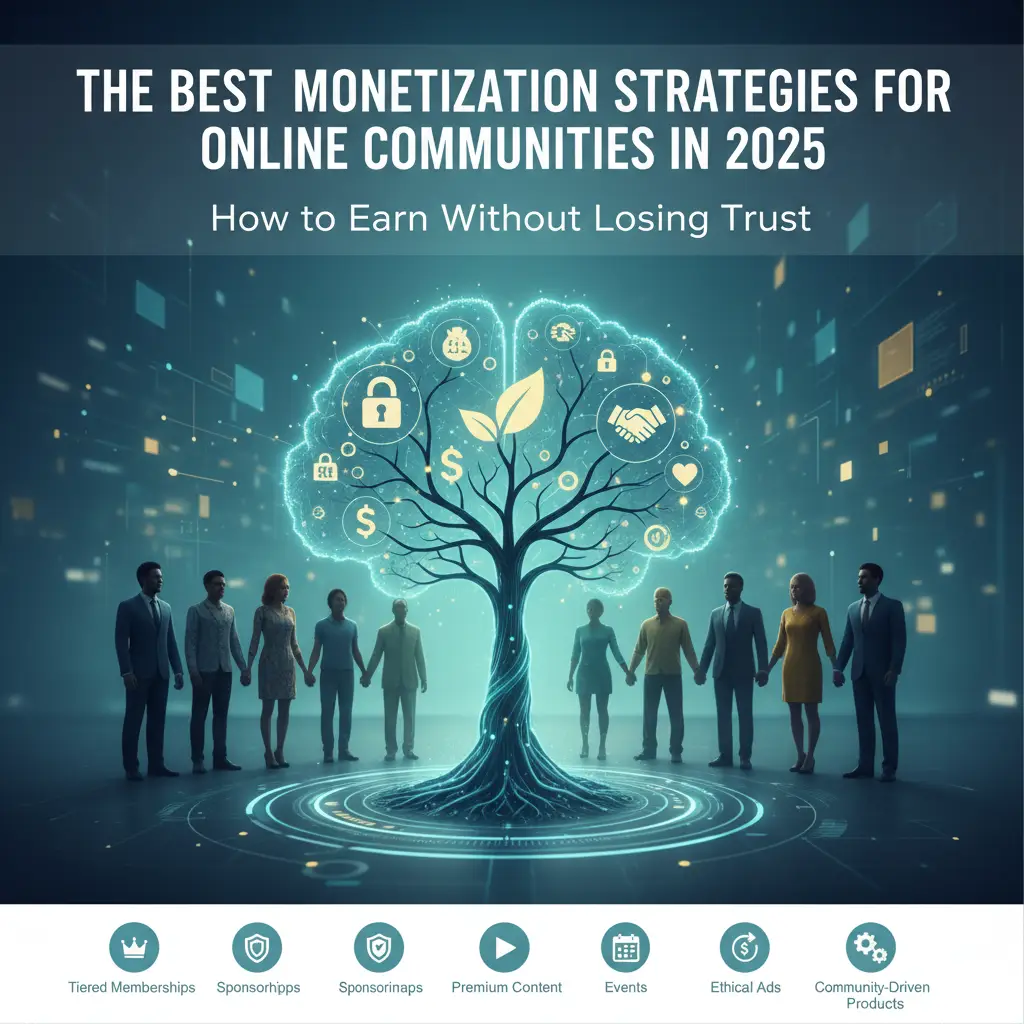
The Best Monetization Strategies for Online Communities in 2025: How to Earn Without Losing Trust
Introduction: Why 10,000 Engaged Members Is a Turning Point
Reaching 10,000 engaged members is a milestone for any online community. At this scale, your platform is no longer just a passion project—it has the potential to become a sustainable business. Members are showing up daily, engaging in conversations, and deriving value from the network you’ve built.
But here’s the challenge: how do you monetize without alienating the very people who made your community thrive? The answer lies in balancing value creation with ethical monetization strategies. In 2025, members expect transparency, authenticity, and relevance when communities turn to revenue models.
In this article, we’ll explore the best monetization strategies for online communities in 2025, how they work, why they’re effective at the 10,000-member mark, examples of execution, and pitfalls to avoid.
1. Tiered Memberships or Subscriptions
How It Works
Offer free access to the community’s core, but create paid tiers with premium perks. Benefits may include exclusive content, direct access to experts, behind-the-scenes discussions, or advanced tools.
Why It’s Effective
At 10,000 members, even if just 5% upgrade, that’s 500 paying subscribers—enough to generate steady monthly revenue.
Example
Patreon-style tiers are popular, but in 2025, platforms like Circle.so, Geneva, and Discord integrated with Stripe make it seamless to offer layered memberships. A career-focused community could offer free discussions, while a premium tier unlocks weekly job boards, mentorship calls, or templates.
Trust-Preserving Tip
Frame memberships as an investment in community growth, not a paywall. Reinforce that the free tier remains valuable.
Pitfall to Avoid
Don’t overload higher tiers with perks that dilute your energy and lead to burnout. Focus on high-value, low-maintenance benefits like recordings, templates, or curated resources.
2. Sponsorships and Brand Partnerships
How It Works
Brands pay to access your audience through collaborations, sponsored content, or product integrations.
Why It’s Effective
With 10,000 engaged members, your community represents a niche, loyal, and highly valuable audience. Brands are shifting ad budgets toward communities because they deliver more authentic engagement than social media ads.
Example
A fitness community could partner with a supplement company to offer exclusive discounts, while hosting a Q&A with the brand’s nutritionist.
Trust-Preserving Tip
Only collaborate with brands that align with your community’s values. In 2025, audiences instantly spot inauthentic partnerships.
Pitfall to Avoid
Over-commercialization. If every post feels like an ad, members will disengage. Stick to 1–2 thoughtful partnerships per quarter.
3. Premium Content, Courses, or Workshops
How It Works
Leverage your expertise or invite guest experts to create paid learning experiences. These could be self-paced courses, live workshops, or content libraries.
Why It’s Effective
Members at 10,000+ already trust your platform. They’re more likely to pay for structured learning opportunities that build on community discussions.
Example
A writing community could launch a “Novel in 90 Days” live workshop, while offering replays and templates for paid participants.
Trust-Preserving Tip
Deliver outcomes, not just content. Members should walk away with tangible skills, certifications, or completed projects.
Pitfall to Avoid
Don’t overprice or overpromise. Members may feel betrayed if a course recycles free content. Ensure fresh, actionable value.
4. Merchandise and Community-Branded Products
How It Works
Sell physical or digital products tied to your community identity—t-shirts, mugs, NFTs, or exclusive toolkits.
Why It’s Effective
At 10,000 members, even a 2% purchase rate equals 200 sales. Merchandise fosters belonging while generating revenue.
Example
Reddit communities like WallStreetBets turned memes into apparel. In 2025, Shopify and Printful integrations make it easier than ever for communities to design and ship on demand.
Trust-Preserving Tip
Prioritize quality and design. Members wear community merch with pride when it feels authentic, not like cheap marketing.
Pitfall to Avoid
Avoid flooding members with low-quality drops. Scarcity and quality drive demand, not volume.
5. Events (Virtual or Hybrid)
How It Works
Host paid gatherings—virtual conferences, hybrid workshops, or local meetups. Ticket sales, sponsorships, and vendor partnerships drive revenue.
Why It’s Effective
With 10,000 engaged members, even a 3% attendance rate means 300+ attendees. Events deepen trust while generating income.
Example
A design community could host an annual hybrid summit featuring industry speakers, networking lounges, and sponsor showcases.
Trust-Preserving Tip
Focus on networking and experience, not just content delivery. Members should feel the event was worth their time and money.
Pitfall to Avoid
Overpromising “life-changing” events and underdelivering. Poor organization can permanently damage credibility.
6. Ethical Ads or Affiliate Marketing
How It Works
Introduce curated ads or affiliate links to products your community already needs. Members pay nothing, but you earn commissions.
Why It’s Effective
At 10,000 engaged members, you can monetize without directly charging the audience. This works best in niche, product-heavy communities.
Example
A coding community could recommend developer tools via affiliate links, earning commissions while helping members save time.
Trust-Preserving Tip
Be transparent. Label affiliate links and explain why you recommend a product.
Pitfall to Avoid
Don’t chase high-paying affiliates irrelevant to your niche. Nothing kills trust faster than recommending tools that don’t actually serve your members.
7. Community-Driven Products (Co-Creation, Tokens, Microtransactions)
How It Works
Empower members to co-create and invest in community offerings. Options include community tokens, microtransactions for premium posts, or collaborative product launches.
Why It’s Effective
At 10,000+ members, co-creation fuels both engagement and revenue. Members feel invested in the community’s success.
Example
A gaming community might launch a community-built indie game or offer tokenized perks like special avatars.
Trust-Preserving Tip
Keep experiments transparent. Explain risks and ensure members understand what they’re buying into.
Pitfall to Avoid
Avoid speculation-driven models that resemble scams. In 2025, members are wary of exploitative token systems. Prioritize utility over hype.
Common Pitfalls in Community Monetization
No matter which strategy you choose, avoid these traps:
- Over-commercialization: If your community feels like a storefront, members will leave.
- Damaging trust: Promoting irrelevant sponsors or overpriced products erodes loyalty.
- Burnout: Running too many revenue streams can overwhelm you and reduce quality.
- Ignoring member feedback: Monetization is a dialogue, not a unilateral decision.
Conclusion: Experiment, Don’t Exploit
Reaching 10,000 members is proof that your community delivers real value. Monetization at this stage should feel like a natural extension of your mission, not a betrayal of it.
By experimenting with memberships, sponsorships, courses, merchandise, events, ethical ads, and co-created products, you can build sustainable revenue streams while keeping trust intact.
The key is to stay transparent, listen to your members, and avoid over-commercialization. Community-first monetization is the only strategy that works long-term.
Call to Action
If your community is approaching or has crossed the 10,000-member mark, now is the time to act. Pick one or two of these monetization strategies for online communities in 2025, test them carefully, and refine based on feedback.
Remember: sustainable growth comes from serving your members, not selling to them.